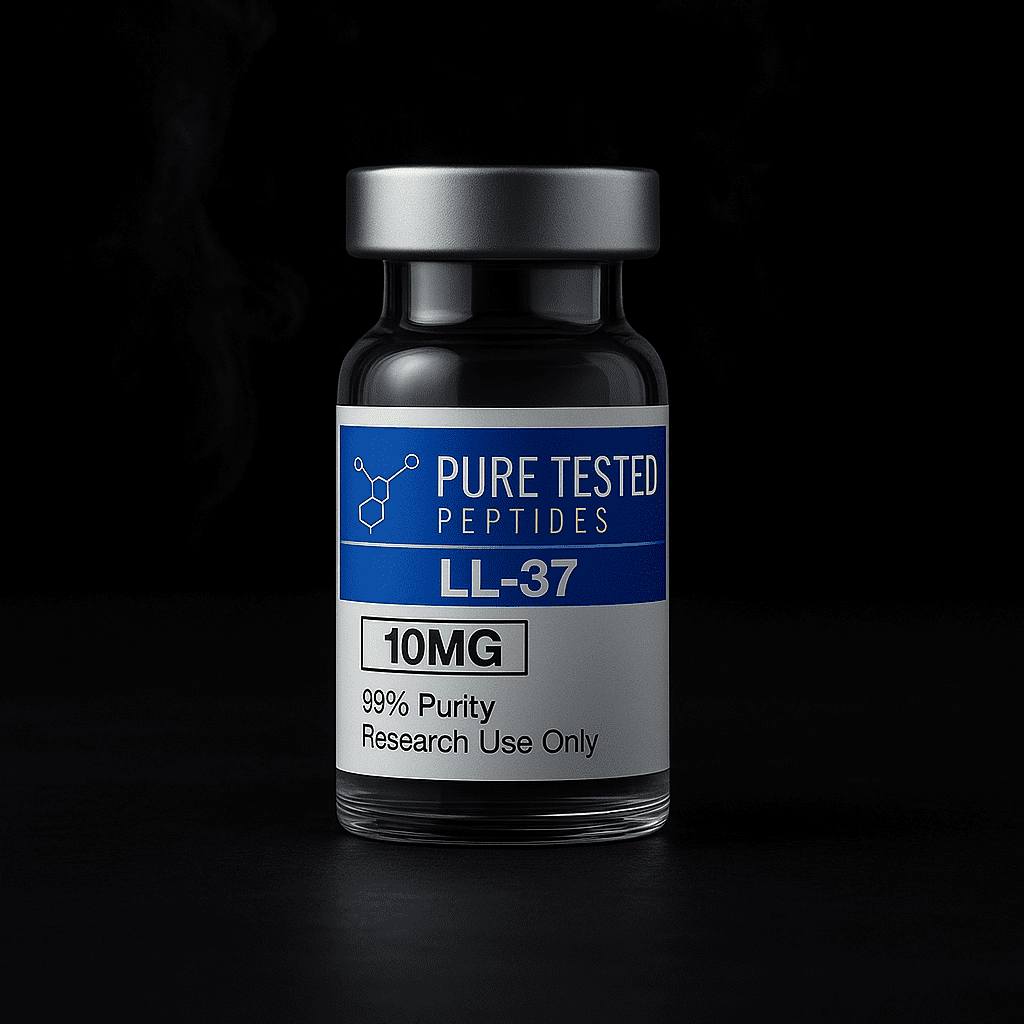
LL-37
CAS NO: 154947-66-7
Molecular Formula: C205H340N60O53
Molecular Weight: 4493.32
Appearance: white powder
Storage: 2-8°
Purity: ≥99
BULK QUANTITY DISCOUNT:
2-4 vials – 5% OFF
5-9 vials – 10% OFF
10-14 vials – 12% OFF
15-20 vials – 15% OFF
8 in stock
| Title | Range | Discount |
|---|---|---|
| Bulk discount | 3 | 3% |
| Bulk discount | 4 – 5 | 4% |
| Bulk discount | 6 – 9 | 6% |
| Bulk discount | 10 – 14 | 10% |
| Bulk discount | 15 + | 15% |
- Estimated Delivery : Up to 3 business days
- Free Shipping & Returns : On all orders over $300
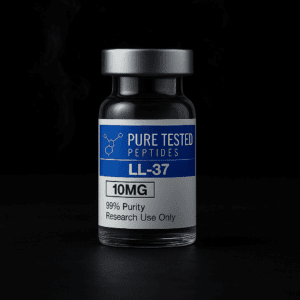
LL-37 is a cationic antimicrobial peptide (AMP) that is part of the cathelicidin family, playing a crucial role in the innate immune system. Derived from the precursor protein hCAP18, LL-37 is produced by various cell types, including neutrophils, epithelial cells, and immune cells. It exhibits a broad spectrum of antimicrobial activity against bacteria, viruses, and fungi by disrupting their cell membranes. Beyond its antimicrobial properties, LL-37 is also involved in modulating inflammation, promoting wound healing, and influencing adaptive immune responses. It can attract immune cells to sites of infection and enhance the production of cytokines, contributing to host defense.
LL-37 Peptide Benefits: Antimicrobial Power & Immune Support
1. Broad-Spectrum Antimicrobial Activity
LL-37 directly disrupts the membranes of bacteria, fungi, and enveloped viruses. It also helps neutralize toxic components like LPS, supports biofilm disruption, and enhances microbial clearance.
Comprehensive review of LL-37’s multifaceted antimicrobial effects [oai_citation:0‡Reddit](https://www.reddit.com/r/healthwithjessicalana/comments/18qfuje/ll37_peptide_a_multifaceted_peptide/?utm_source=chatgpt.com)
LL-37 inhibits macrophage stimulation by LPS, protecting against endotoxemia [oai_citation:1‡PubMed](https://pubmed.ncbi.nlm.nih.gov/12244186/?utm_source=chatgpt.com)
2. Immunomodulatory & Anti-inflammatory Effects
LL-37 modulates immune cell functions—dampening excessive inflammation while enhancing antimicrobial responses. It regulates neutrophil activation, ROS production, cytokine release, and chemokine expression.
LL-37 shapes neutrophil responses and inflammatory mediator release [oai_citation:2‡PubMed](https://pubmed.ncbi.nlm.nih.gov/20140902/?utm_source=chatgpt.com)
LL-37 in SARS-CoV-2 infection: antiviral activity, inflammation control, and tissue protection [oai_citation:3‡PubMed](https://pubmed.ncbi.nlm.nih.gov/35634307/?utm_source=chatgpt.com)
LL-37 reduces pyroptosis in sepsis models and improves survival [oai_citation:4‡PubMed](https://pubmed.ncbi.nlm.nih.gov/26746575/?utm_source=chatgpt.com)
3. Wound Healing, Angiogenesis & Biofilm Disruption
LL-37 accelerates wound repair via keratinocyte and fibroblast activation, angiogenesis, and extracellular matrix remodeling. It also combats resilient biofilms in polymicrobial wound infections.
Anti-biofilm and wound-healing benefits of LL-37 in infected wounds [oai_citation:5‡Frontiers](https://www.frontiersin.org/journals/immunology/articles/10.3389/fimmu.2013.00143/full?utm_source=chatgpt.com)
4. Host Barrier Integrity & Endothelial Function
LL-37 influences endothelial cell behavior, strengthening vascular barrier function—a key in controlling inflammation and maintaining tissue homeostasis.
LL-37 modulates endothelial stiffness and permeability via P2X7 signaling [oai_citation:6‡PubMed](https://pubmed.ncbi.nlm.nih.gov/20943960/?utm_source=chatgpt.com)
5. Dual Roles in Cancer & Tissue Signaling
LL-37 shows complex, tissue-specific roles in tumor biology—it may promote or suppress CANC depending on context. It also participates in skin and epithelial regeneration through cellular signaling pathways.
Emerging roles of LL-37 in immunity, CANC, and tissue regulation [oai_citation:7‡PMC](https://pmc.ncbi.nlm.nih.gov/articles/PMC2930073/?utm_source=chatgpt.com)
6. Overview: LL-37 in Innate Immunity
As the primary human-derived cathelicidin, LL-37 is synthesized by immune and epithelial cells (like neutrophils, macrophages, and skin cells). It is rapidly activated from its precursor (hCAP-18) and contributes to immune defense, inflammation regulation, and wound repair.
Overview of LL-37 origin, mechanism, and functions in human immunity [oai_citation:8‡en.wikipedia.org](https://en.wikipedia.org/wiki/Cathelicidin_antimicrobial_peptide?utm_source=chatgpt.com)
Summary Table
| Benefit | LL-37 Peptide |
|---|---|
| Antimicrobial Defense | Broad-spectrum action—bacteria, fungi, viruses, biofilms |
| Immune Modulation | Balances inflammatory response, enhances pathogen clearance |
| Wound Healing & Biofilm Disruption | Boosts cell migration, angiogenesis, fights resilient infections |
| Barrier Integrity | Improves endothelial health and tissue stability |
| Cancer & Regeneration | Context-dependent effects in CANC; supports tissue repair |
References
Be the first to review “LL-37”
Related products
-
Selank 10mg
$127 -
GLP-1 TZ 20mg peptide
$179.99 -
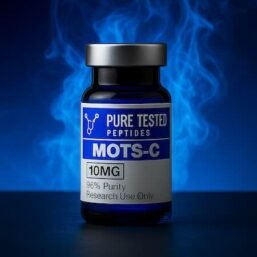
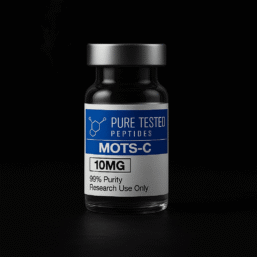
MOTS-c
Price range: $99.99 through $149.99 -
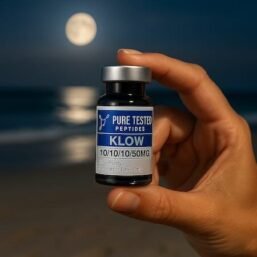
KLOW
$245 -
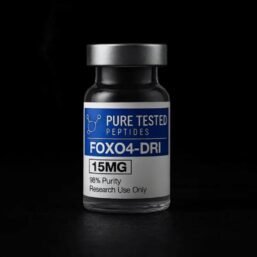
FOXO4-DRI
$560
Reviews
There are no reviews yet.